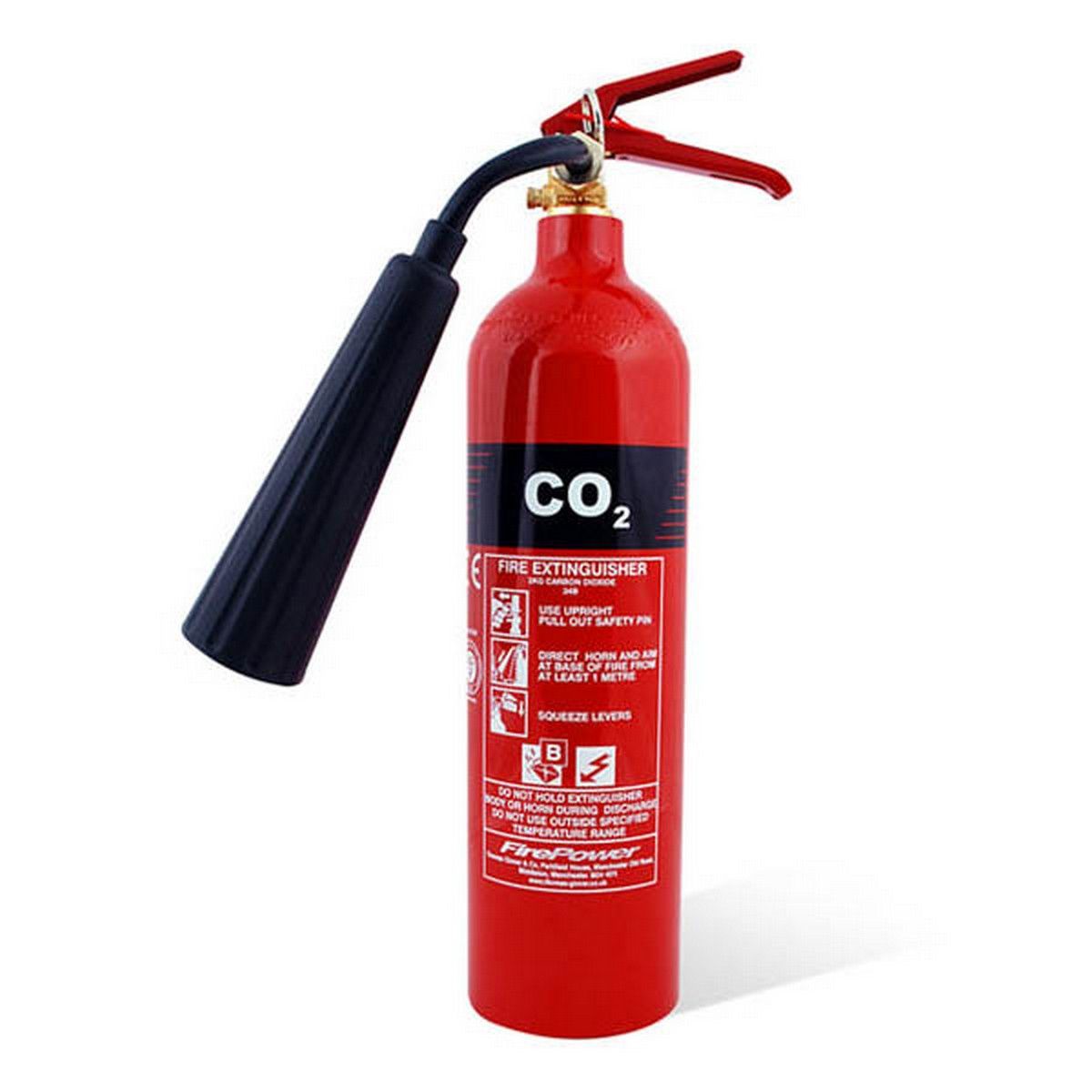
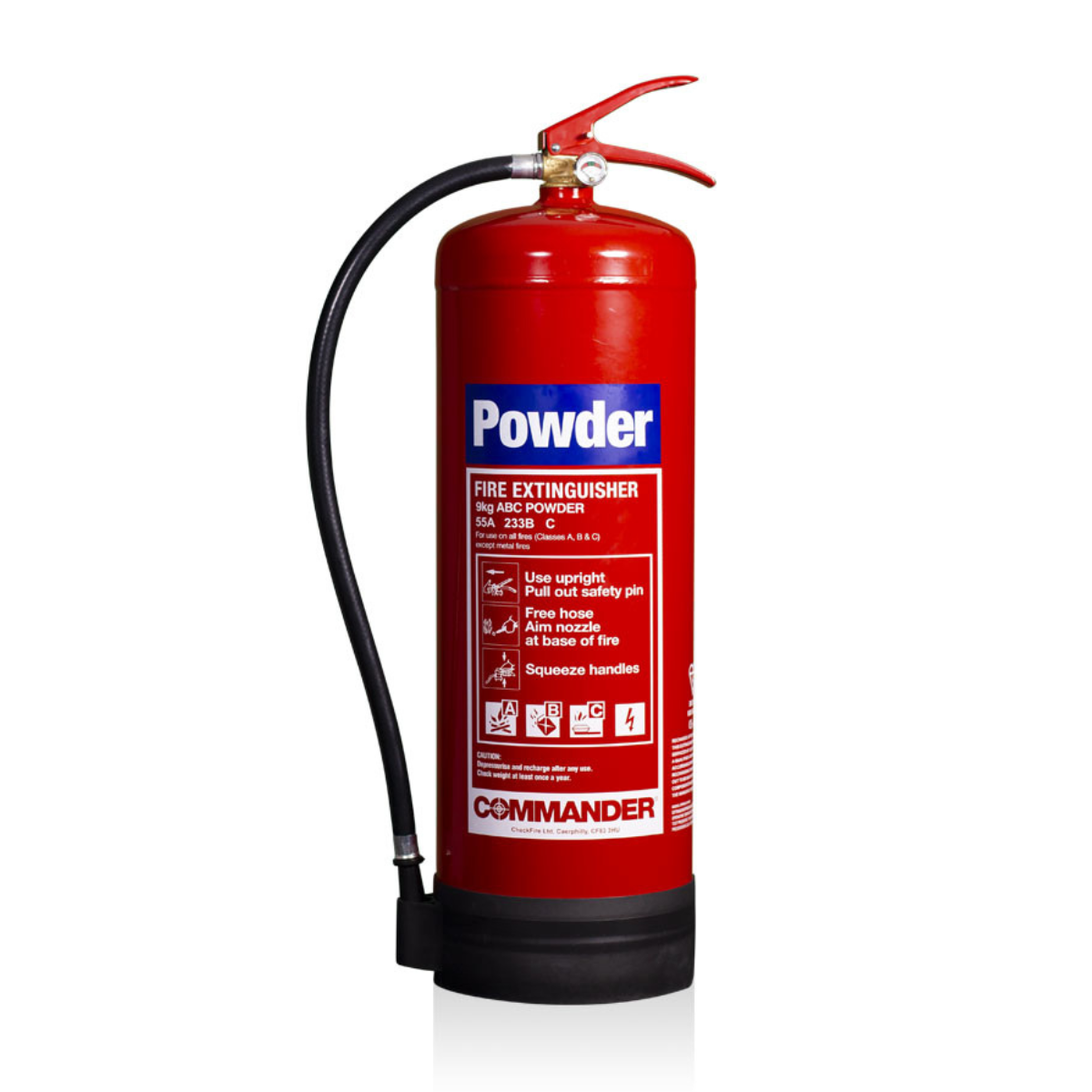
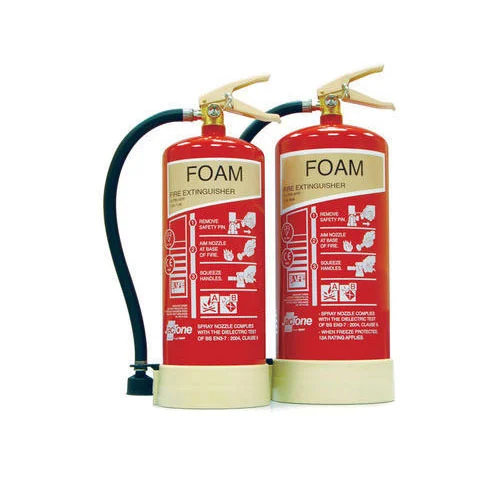
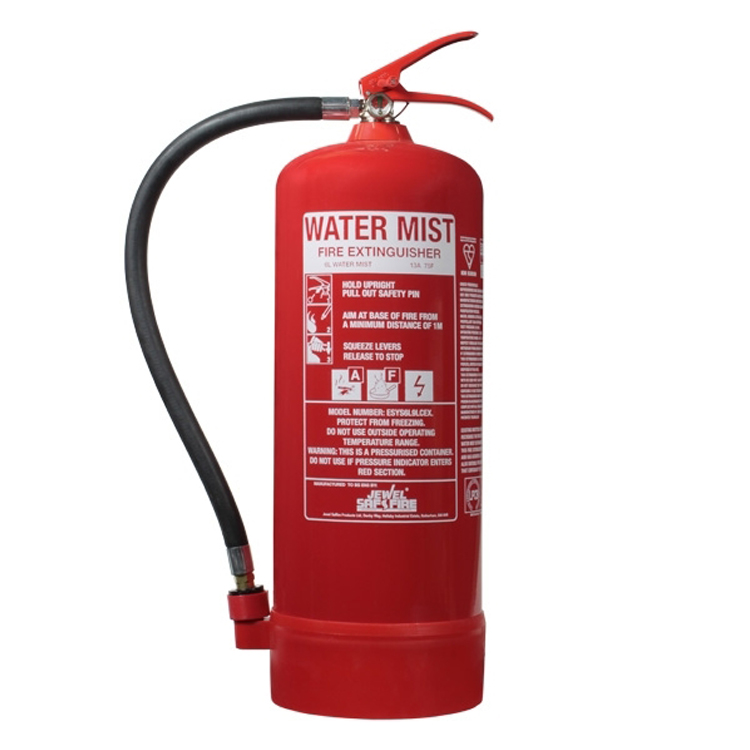
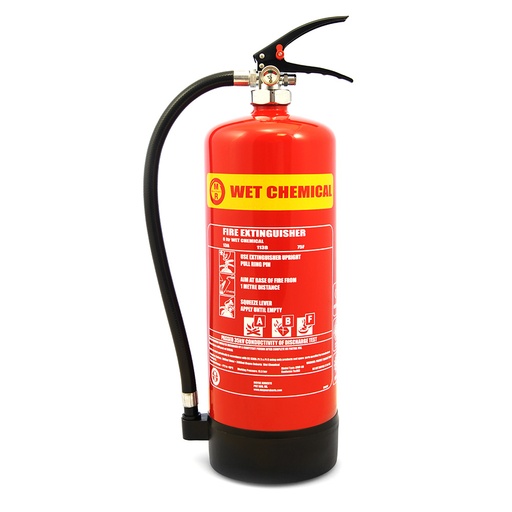
No single extinguisher can be used to tackle every fire, and because each type of fire extinguisher has different categories of fire on which it is effective, selection can be a minefield. The first step is to look at what materials are present in the area to be protected from fire. These can be divided into six fire classes involving different substances:
• Class A fire caused by combustible carbon-based solids such as paper, wood or textiles • Class B fire caused by flammable liquids eg paraffin, petrol, diesel or oil (but not cooking oil) • Class C fire caused by flammable gases, eg butane, propane or methane • Class D fire caused by burning metals, eg aluminium, lithium or magnesium • Fires caused by electrical equipment (indicated by an electric spark symbol and not the letter E) • Class F fire caused by fats and cooking oils.
Five main types of fire extinguishers There are five different fire extinguishers, which are: